
Condensation is a common moisture-related problem that can occur in homes, offices, commercial buildings, warehouses, industrial facilities, and other enclosed environments. It happens when warm, moisture-laden air comes into contact with a cooler surface, causing water vapour in the air to change into liquid water. You may notice condensation on windows, walls, ceilings, pipes, air-conditioning equipment, storage areas, machinery, or other cold surfaces.
While occasional condensation may appear harmless, recurring condensation can indicate excessive humidity levels and may eventually contribute to dampness, unpleasant odours, mould growth, corrosion, surface deterioration, and other moisture-related concerns. Managing indoor humidity is therefore an important part of maintaining a comfortable, clean, and well-controlled environment.
If you are experiencing persistent condensation at your property in @location, a properly selected dehumidification system can help control excess moisture and maintain more suitable humidity conditions.
What Causes Condensation?
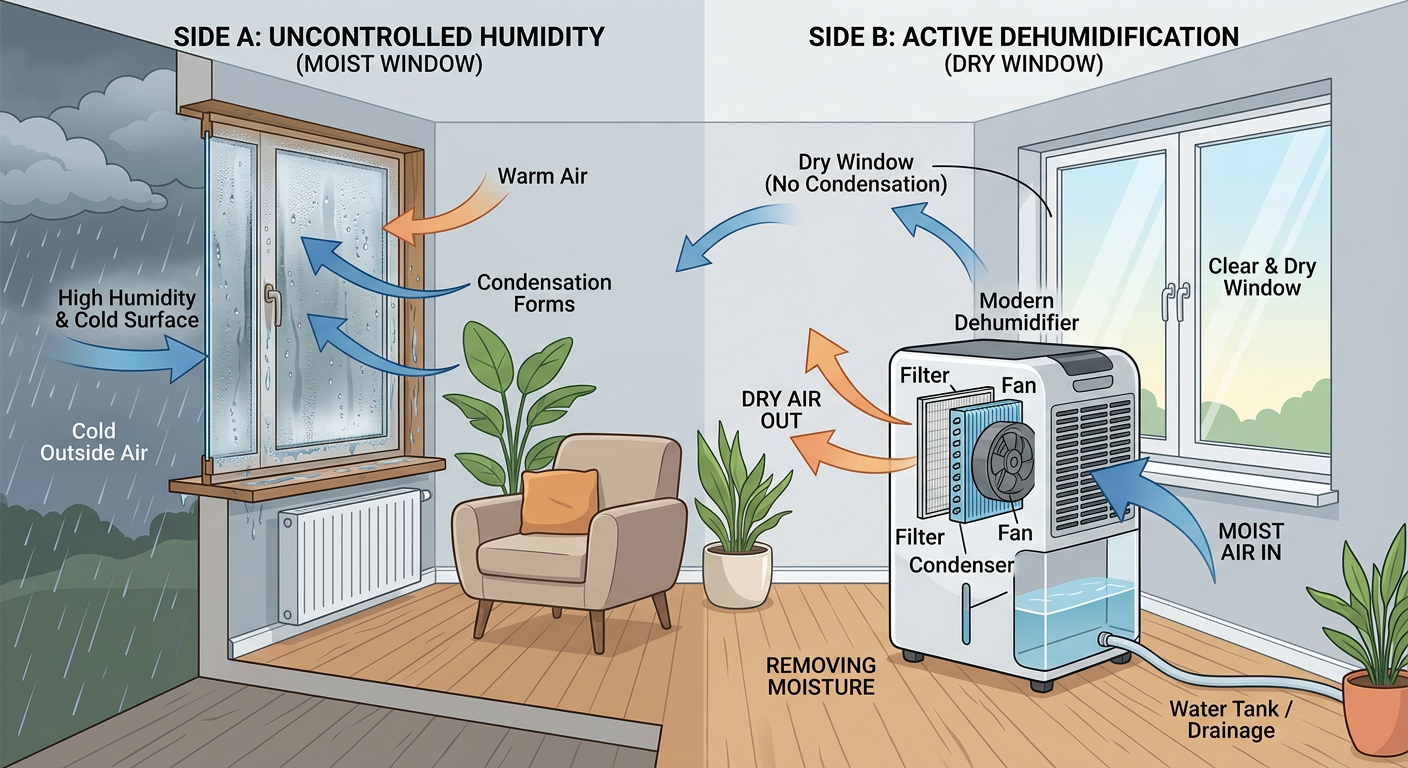
Condensation occurs when the temperature of a surface falls below the dew point of the surrounding air. Warm air can hold a significant amount of moisture. When this warm, humid air comes into contact with a colder surface, it cools down. Once the air reaches its dew point, the moisture can no longer remain in vapour form and begins to form water droplets.
This is why condensation is commonly seen on windows during cooler weather. However, the same process can occur in many other environments.
Common causes of excessive condensation include:
High indoor humidity
Poor ventilation
Temperature fluctuations
Cold walls, floors, ceilings, or windows
Moisture generated by industrial processes
Wet materials or stored products
Inadequate air circulation
Water leakage or other moisture sources
Improper humidity control
Large differences between indoor air and surface temperatures
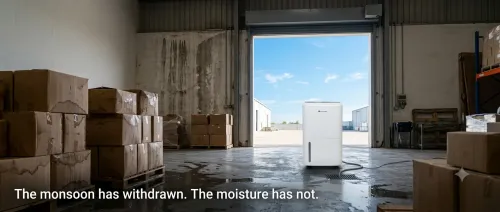
In industrial and commercial environments, condensation can sometimes be more than a cosmetic concern. High humidity can affect equipment, materials, packaging, storage areas, production spaces, and working conditions.
How Does a Dehumidifier Help?
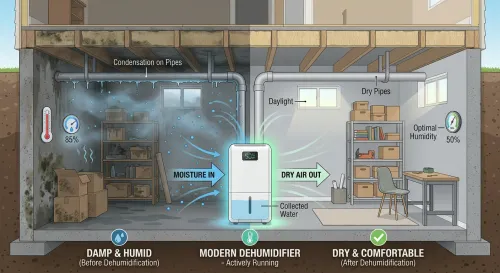
A dehumidifier removes excess moisture from the air. By reducing the amount of water vapour present in the surrounding environment, a dehumidifier can help lower relative humidity and reduce the conditions that contribute to condensation.
A typical dehumidification system draws humid air into the unit. The moisture is then removed through the dehumidification process, while comparatively drier air is returned to the surrounding space. Depending on the application, different types and capacities of dehumidifiers may be suitable.
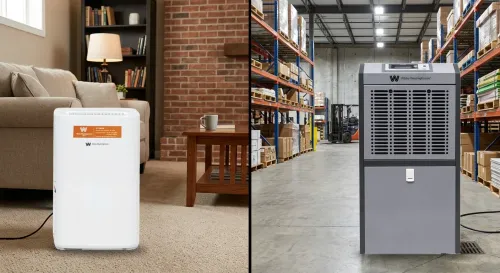
Selecting the correct system is important because every application has different requirements. Factors such as room size, temperature, humidity level, moisture load, ventilation, operating conditions, and the desired relative humidity can influence the appropriate dehumidification solution.
Benefits of Humidity and Condensation Control
Effective humidity control can provide several practical benefits for residential, commercial, and industrial environments.
1. Helps Reduce Condensation
Controlling excessive moisture in the air can help reduce the amount of water vapour available to condense on cooler surfaces. This can be particularly useful in areas where condensation repeatedly appears on windows, walls, ceilings, pipes, or equipment.
2. Helps Maintain Suitable Indoor Humidity
Maintaining a controlled humidity level can contribute to a more comfortable indoor environment. Dehumidification can be useful in areas where naturally high humidity or process-related moisture makes humidity control difficult.
3. Helps Protect Equipment and Surfaces
Persistent moisture can create challenging conditions for metal components, electrical equipment, machinery, storage systems, and building surfaces. Humidity control can help create a drier environment and support better protection of moisture-sensitive assets.
4. Supports Moisture-Sensitive Storage
Warehouses and storage facilities may require controlled humidity to help protect certain products and materials. Depending on the goods being stored, excessive moisture can contribute to deterioration, packaging issues, surface damage, or other storage challenges.
5. Helps Manage Damp Environments
Areas with consistently high moisture levels can benefit from dedicated humidity-control solutions. Dehumidifiers can help remove excess atmospheric moisture and support better environmental control.
Dehumidification Applications in @location
Dehumidification can be useful across a wide range of applications in @location and surrounding areas. Depending on the required environmental conditions, humidity-control systems may be considered for:
Industrial facilities
Manufacturing plants
Warehouses
Storage facilities
Commercial buildings
Offices
Basements
Production areas
Equipment rooms
Server and technical rooms
Pharmaceutical facilities
Food processing areas
Packaging facilities
Cold rooms and temperature-controlled spaces
Museums and archives
Swimming pool environments
Construction and renovation projects
Each application can have a different moisture load and humidity requirement. For this reason, a professional assessment can help determine the appropriate type and capacity of dehumidification equipment.
Choosing the Right Dehumidifier
Choosing a dehumidifier should not be based solely on room size. The moisture load and operating conditions are equally important. A system that is too small may not provide adequate humidity control, while an unnecessarily large system may not be the most practical solution for a particular application.
Before selecting a dehumidification system in @location, it is useful to consider factors such as:
Area or volume of the space
Current relative humidity
Required relative humidity
Ambient temperature
Moisture generation
Ventilation and air exchange
Number of operating hours
Type of application
Desired level of condensation control
Installation requirements
Drainage and maintenance requirements
A suitable system should be selected according to the actual environmental requirements rather than using a one-size-fits-all approach.
Why Professional Humidity Control Matters
Recurring condensation is often a sign that moisture levels and environmental conditions need closer attention. Simply wiping away water droplets may provide only a temporary solution if the underlying humidity problem remains.
A well-planned humidity control solution can address moisture in the air and help create more stable environmental conditions. Professional guidance can also help identify the appropriate dehumidifier technology, capacity, installation arrangement, and operating strategy for the application.
For businesses, maintaining controlled humidity can also be an important part of protecting facilities, equipment, inventory, and production environments.
JET INDIA – Dehumidification Solutions for @location
JET INDIA provides humidity-control and dehumidification solutions designed for different environmental and industrial requirements. Whether you are dealing with recurring condensation, excessive indoor humidity, damp conditions, or moisture-control challenges, selecting the right equipment is an important first step.
If condensation is repeatedly appearing on windows, walls, ceilings, machinery, pipes, or other surfaces, it may be time to evaluate the humidity conditions in the space.
Experiencing recurring condensation or high humidity in @location? Contact JET INDIA to discuss your dehumidification and humidity-control requirements. Our team can help you understand your moisture-control needs and identify a suitable solution based on the application.