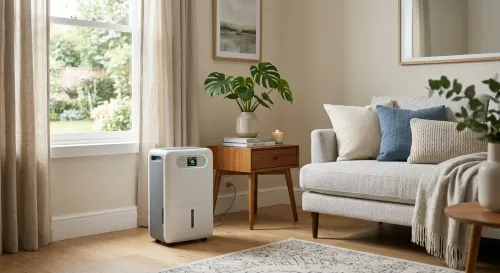

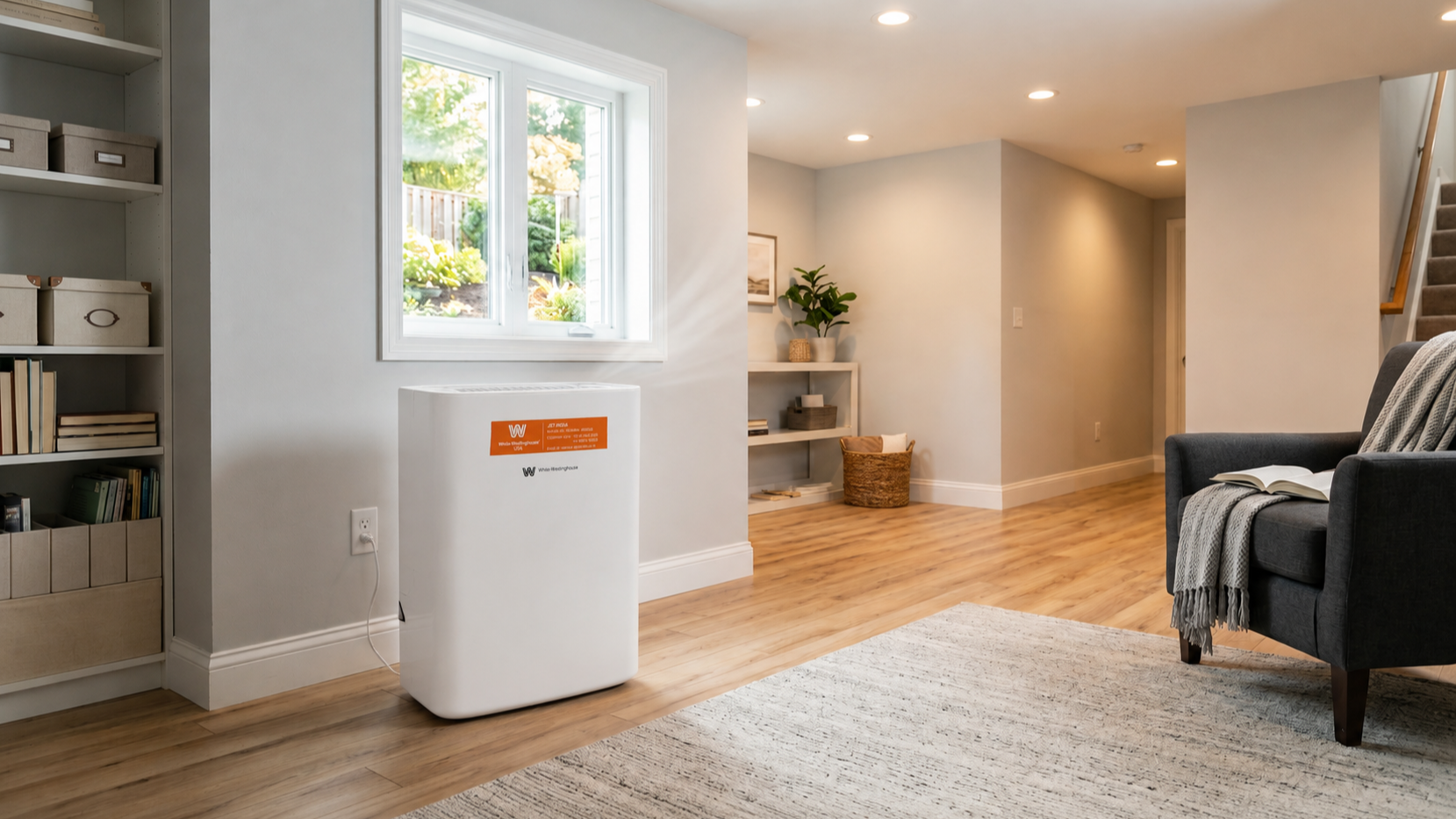
Recurring dampness, condensation, musty odours, and mould are common signs that there may be excessive moisture or high humidity levels in an indoor environment. While cleaning visible mould, wiping down damp surfaces, or improving ventilation can provide temporary relief, these measures may not fully resolve the problem if excess moisture continues to remain in the air. When high humidity persists, the same issues can return again and again, affecting the comfort, appearance, and overall condition of your indoor space.
For homes, offices, commercial establishments, warehouses, storage areas, and other enclosed spaces in @Location, maintaining balanced indoor humidity can play an important role in creating a more comfortable and controlled environment. One effective way to manage excess moisture is by using a dehumidifier.
Understanding the Impact of Excessive Humidity
Humidity refers to the amount of moisture present in the air. Although a certain level of humidity is normal and necessary, excessive moisture can create an environment where dampness, condensation, unpleasant odours, and mould are more likely to develop.
In areas with naturally humid weather, moisture can enter indoor spaces through ventilation, open windows and doors, bathrooms, kitchens, wet clothing, seepage, and other sources. Poor ventilation and insufficient air circulation can make the situation worse by allowing moisture to remain trapped indoors.
You may notice several warning signs when indoor humidity levels remain high. Walls, ceilings, floors, windows, and other surfaces may feel damp. Water droplets can appear on glass, metal, or other cooler surfaces. Rooms may develop a persistent musty smell, while cupboards, storage spaces, furniture, and fabrics can also become affected.
Mould growth is another visible indication that moisture levels may need attention. If the underlying humidity problem is not addressed, simply removing the mould from a surface may only offer a short-term solution.
Why Cleaning Alone May Not Be Enough
Cleaning mould and damp surfaces is an important part of maintaining a hygienic indoor environment, but it does not necessarily eliminate the source of the moisture. If humidity remains consistently high, dampness and condensation can continue to occur.
For example, a wall may be cleaned after mould appears, but if the surrounding air remains excessively humid, moisture can continue accumulating on the surface. Over time, the conditions that contributed to mould growth may return.
This is why it is important to look beyond the visible signs of moisture. Controlling the humidity of the indoor air can help reduce the amount of excess moisture available to settle on surfaces and contribute to recurring dampness and condensation.
A dehumidifier can form an important part of this moisture-management approach.
How Does a Dehumidifier Help?
A dehumidifier is designed to remove excess moisture from the air. It draws humid air into the unit, processes the air to extract moisture, and then releases air with reduced moisture content back into the room.
By continuously removing excess moisture, a dehumidifier can help maintain a more controlled indoor humidity level. This can be particularly useful in rooms and spaces where natural ventilation may not be sufficient to manage moisture effectively.
Reducing excessive humidity may help address conditions associated with:
- Recurring condensation on windows and surfaces
- Damp or clammy indoor environments
- Persistent musty odours
- Moisture accumulation in enclosed areas
- Conditions that encourage mould growth
- Excess moisture in storage areas
- Humidity-related discomfort
- Moisture concerns in commercial and industrial spaces
The exact dehumidification requirements can vary depending on the size of the area, moisture load, ventilation, temperature, occupancy, and the source of humidity. Selecting equipment appropriate for the space is therefore an important consideration.
Dehumidifiers for Homes in @Location
High indoor humidity can affect different parts of a home, including bedrooms, living rooms, bathrooms, kitchens, basements, utility areas, wardrobes, and storage spaces.
A dehumidifier can be especially useful in rooms where moisture tends to accumulate or where ventilation is limited. Controlling indoor humidity can help create a more comfortable environment while supporting better moisture management.
If you regularly notice condensation on windows, damp patches, musty smells, or recurring mould in particular rooms, it may be worth assessing the humidity conditions in the space rather than repeatedly treating only the visible symptoms.
Dehumidification for Offices and Commercial Spaces
Humidity management is not limited to residential properties. Offices, retail spaces, restaurants, hotels, warehouses, storage facilities, and other commercial environments can also experience excessive moisture.
Commercial spaces may have different moisture sources and operating conditions compared with homes. High occupancy, frequent door openings, ventilation systems, kitchens, washrooms, storage requirements, and environmental conditions can all influence indoor humidity.
A suitable dehumidification system can help businesses maintain a more controlled environment and manage excess moisture according to the requirements of their particular space.
For commercial and industrial applications, choosing the correct capacity and configuration is particularly important. A professional assessment can help determine the appropriate solution based on the size and characteristics of the area.
Managing Musty Odours and Moisture
A persistent musty smell is often associated with damp or poorly ventilated areas. Odours may become noticeable in wardrobes, storage rooms, basements, closed rooms, furniture, carpets, and other areas where moisture remains trapped.
Improving ventilation and identifying potential sources of moisture are important steps in managing these conditions. A dehumidifier can complement these measures by reducing excess moisture in the air.
However, it is important to remember that a dehumidifier is not a substitute for repairing leaks, seepage, plumbing problems, structural water intrusion, or other direct sources of moisture. Where such issues exist, the underlying cause should also be identified and addressed.
Choosing the Right Dehumidification Solution
Every space has different humidity-control requirements. A small residential room may require a very different solution from a large warehouse, commercial facility, or industrial environment.
Factors that may need to be considered include the area of the room or facility, existing humidity levels, temperature, ventilation, moisture sources, operating hours, desired humidity range, and the intended application.
Selecting a dehumidifier based only on room size may not always provide the best result. A professional evaluation can help identify the moisture load and determine what type and capacity of equipment would be suitable.
JET INDIA can help you explore dehumidification solutions based on the requirements of your space in @Location.
Why Consider Professional Dehumidification?
When humidity problems keep returning, treating individual symptoms may become an ongoing task. Repeated cleaning, wiping condensation, or dealing with musty odours can be frustrating when the underlying moisture conditions remain unchanged.
A properly selected dehumidification system provides a more consistent approach to humidity management by actively removing moisture from the air.
Professional guidance can also help you understand your specific requirements, compare suitable equipment options, and determine the most appropriate approach for your home, office, commercial property, warehouse, or other indoor environment.
The goal is not simply to remove visible dampness but to create a more controlled environment where excessive humidity can be managed effectively.
Take Control of Indoor Humidity with JET INDIA
Recurring dampness, condensation, mould, and musty odours should not always be viewed as isolated cleaning problems. If excessive humidity is contributing to the issue, controlling moisture levels in the air can be an important part of the overall solution.
A dehumidifier continuously removes excess moisture and can help maintain a more controlled indoor environment. Whether you are dealing with humidity concerns at home, in an office, commercial establishment, warehouse, storage area, or another indoor facility, the right dehumidification solution can help you manage moisture more effectively.
If you are experiencing recurring humidity or dampness problems in @Location, JET INDIA can help you identify a suitable dehumidification solution for your space.
Contact JET INDIA today:
Phone: 08048038959
Email: inquiry@jetindia.com