
Newly constructed or renovated homes often contain residual moisture from construction materials and finishing activities. Processes such as plastering, painting, flooring installation, concrete curing, and masonry work can introduce significant amounts of moisture into the indoor environment. Even after construction is completed, this moisture may remain trapped within walls, ceilings, floors, and other building materials. If the home is occupied or furnished before adequate drying takes place, high indoor humidity can become a concern.
Maintaining the right humidity level is an important part of preparing a new home for comfortable living. Excess moisture in the air can slow down the drying process, affect interior finishes, and create conditions that encourage mould and mildew growth. This is where a suitable dehumidifier for new homes can play an important role. By extracting excess moisture from the air, a dehumidifier helps support controlled indoor drying and contributes to better humidity management during the post-construction stage.
Understanding Construction Moisture in Newly Built Homes
Construction moisture is the moisture retained in building materials and introduced into the indoor environment during construction or renovation. Materials such as concrete, cement, plaster, gypsum, paint, adhesives, and flooring compounds may release moisture as they cure and dry.
In newly constructed homes, the drying process can take considerable time, depending on the materials used, ventilation, weather conditions, room temperature, and the amount of moisture present. In humid climates, natural drying may be slower because the surrounding air already contains a high level of moisture.
When windows and doors remain closed, indoor air circulation is limited, or the property has insufficient ventilation, moisture may accumulate indoors. As a result, the home may require additional humidity control measures before the interior environment reaches suitable conditions.
Why Is a Dehumidifier Important for New Homes?
A dehumidifier is designed to remove excess water vapour from indoor air. Depending on the model and operating conditions, the collected moisture is drained or stored in a collection tank. Using the right equipment can help manage elevated indoor humidity while construction materials continue to dry.
Here are some important benefits of using a dehumidifier during the post-construction phase:
1. Supports Faster Indoor Drying
High indoor humidity can reduce the rate at which moisture evaporates from damp surfaces. A suitable dehumidifier helps lower the moisture content of indoor air, supporting evaporation from exposed materials under appropriate conditions. This can assist the overall drying process when combined with suitable ventilation, temperature control, and proper construction practices.
2. Helps Protect Interior Finishes
Newly painted walls, plastered surfaces, wooden flooring, cabinets, and decorative finishes may be affected by excessive moisture. Maintaining appropriate humidity conditions can help reduce moisture-related risks to these materials. However, each material must be allowed to dry and cure according to the manufacturer's recommendations.
3. Reduces Conditions That Encourage Mould Growth
Persistent dampness and high humidity can contribute to mould and mildew development, particularly where surfaces remain wet or condensation occurs. Dehumidification helps manage indoor humidity, but it should not replace the repair of leaks, removal of standing water, or proper drying of damp materials.
4. Supports Better Indoor Environmental Conditions
Controlling excessive humidity can help make a newly constructed home more suitable for occupancy. Before moving furniture, installing moisture-sensitive materials, or storing household items, it is important to confirm that relevant surfaces have dried adequately and indoor humidity is within an appropriate range.
SE
Choosing the Right Dehumidifier for a New Home
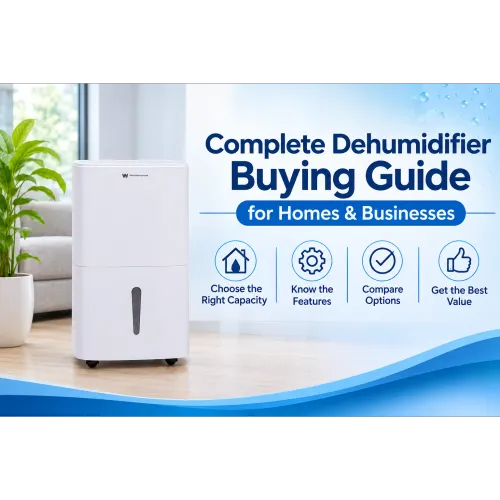
Selecting an appropriate dehumidifier requires an understanding of the property's size, moisture load, construction stage, and environmental conditions. A small residential unit may be suitable for a limited room with moderate humidity, whereas a larger property or a space containing substantial construction moisture may require higher-capacity equipment.
When evaluating a dehumidification solution, consider the following factors:
- Room or property size: Assess the area and volume that require humidity control.
- Moisture load: Consider the amount of moisture released by plaster, concrete, paint, flooring, and other materials.
- Humidity levels: Measure the existing relative humidity to establish the extent of dehumidification required.
- Operating conditions: Temperature and ambient humidity can influence equipment performance.
- Air circulation: Ensure that air can circulate effectively throughout the area requiring treatment.
- Drainage requirements: Consider continuous drainage options where extended operation is necessary.
- Equipment capacity: Select a unit based on the expected moisture removal requirement rather than floor area alone.
A professional assessment can help determine the appropriate dehumidifier capacity and operating strategy for the property.
Applications of Dehumidifiers in Residential Construction
Dehumidifiers can be used in various stages of residential construction and renovation, depending on site conditions and project requirements. Common applications include newly built apartments, independent houses, villas, renovated residences, and interiors undergoing extensive finishing work.
They may also be useful in areas where humidity is difficult to control naturally, such as enclosed rooms, basements, storage spaces, and properties affected by seasonal weather conditions.
For effective results, dehumidification should be integrated into a broader moisture management plan. This includes identifying sources of water ingress, ensuring adequate ventilation where appropriate, following material-specific curing requirements, and monitoring indoor humidity throughout the drying process.
Why Choose JET INDIA for Dehumidification Solutions?
JET INDIA can help customers explore suitable dehumidification solutions for residential and other indoor applications. Whether you are planning a new home, completing an interior renovation, or managing excess construction moisture, selecting the right equipment is an important step toward achieving controlled indoor humidity.
The ideal solution depends on the site's moisture conditions, the size of the area, the intended application, and the required drying objectives. Discussing these details with a knowledgeable supplier can help you identify an appropriate system for your requirements.
If you are looking for a dehumidifier for construction drying, residential humidity control, or new home moisture management, JET INDIA can help you discuss the available options for your project.
Plan Your New Home's Moisture Control with JET INDIA
Do not overlook humidity management when preparing a newly constructed or renovated home. Proper moisture assessment and the use of suitable dehumidification equipment can support controlled drying, help protect interior finishes, and reduce the risks associated with persistent dampness.
Contact JET INDIA to discuss your project requirements and explore suitable dehumidifier solutions for your new home.
Contact JET INDIA today for dehumidifier solutions for new homes and post-construction moisture control.