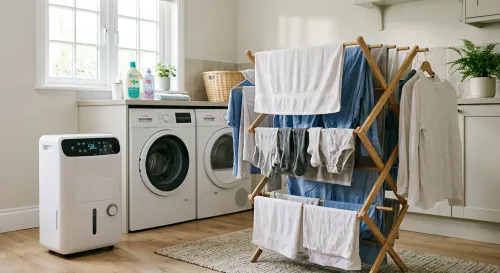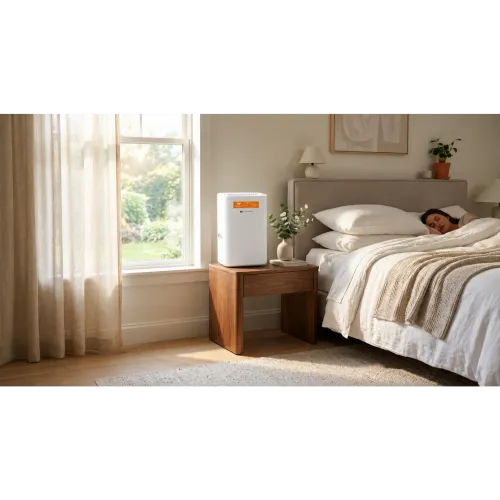

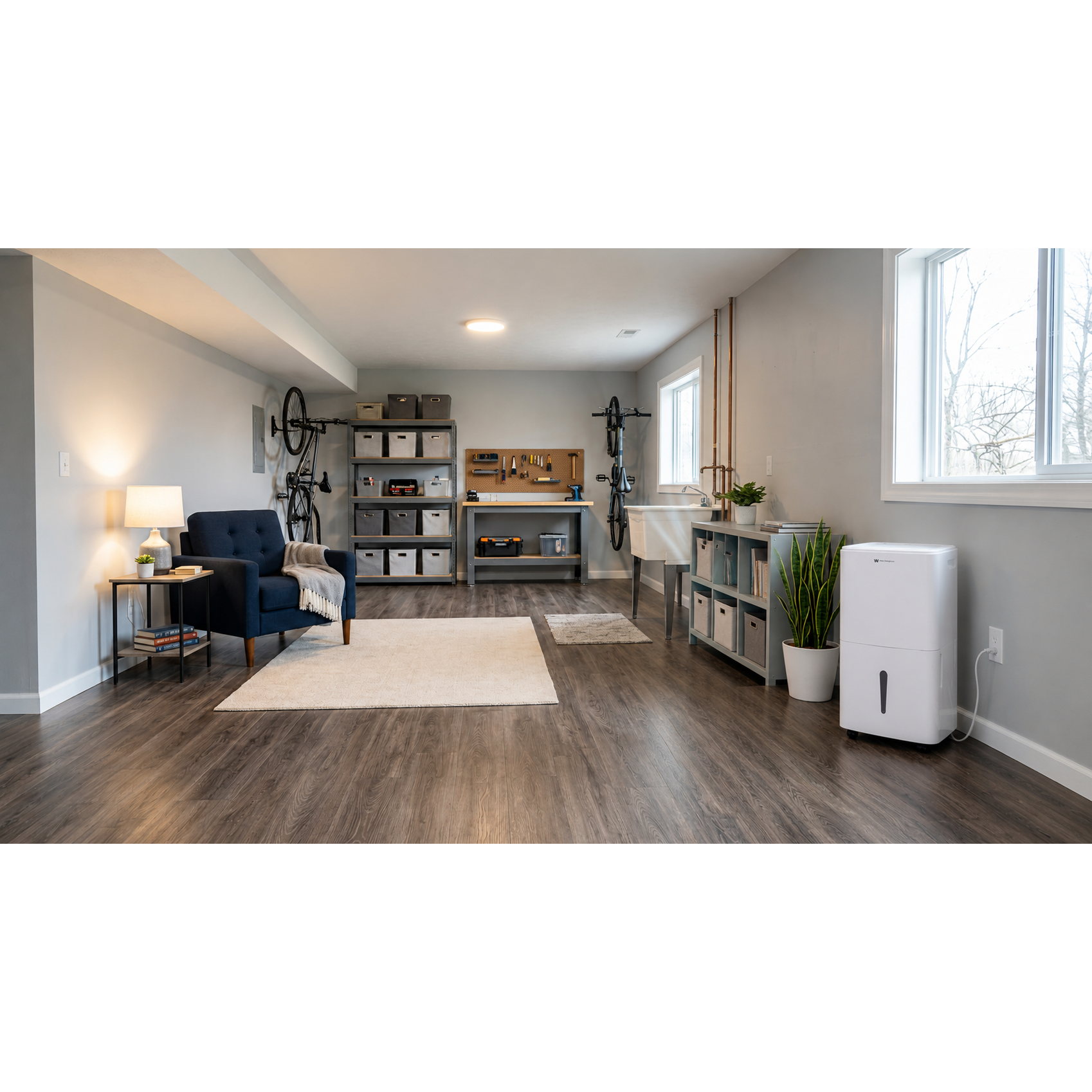
Damp rooms can become a common concern when indoor moisture and humidity remain high for extended periods. Excess moisture in the air may result in condensation, musty odours, damp walls, wet surfaces, and an uncomfortable indoor atmosphere. If these signs persist for a long time, maintaining the right humidity level becomes an important part of creating a more comfortable, controlled environment.
Whether you are dealing with dampness in a bedroom, office, storage area, basement, commercial space, or another enclosed room, an effective dehumidification solution can help manage excess moisture. A dehumidifier extracts moisture from the air and collects it as water, helping maintain a more balanced indoor environment. For reliable dehumidification requirements, JET INDIA offers solutions designed for different room sizes, applications, and moisture-control needs.
@location
Understanding Dampness and Excess Humidity
Humidity refers to the amount of water vapour present in the air. When indoor humidity becomes too high, moisture can begin to accumulate on walls, windows, floors, furniture, and other surfaces. This is particularly common in areas with limited ventilation, frequent water usage, or naturally humid weather conditions.
In locations with high humidity, managing indoor moisture can be particularly important. Homes, offices, warehouses, hotels, commercial establishments, and industrial facilities may all experience different forms of moisture-related challenges.
Some common signs that a room may have excess moisture include:
- Condensation on windows and glass surfaces
- A persistent musty or damp smell
- Moisture or damp patches on walls
- Wet or clammy surfaces
- Increased indoor humidity
- Poorly ventilated rooms
- Moisture accumulation in storage areas
- Difficulty maintaining a comfortable indoor environment
Identifying these signs early can help you determine whether additional moisture-control measures may be required.
How Does a Dehumidifier Help?
A dehumidifier is designed to remove excess moisture from indoor air. Depending on the type of equipment, the unit draws humid air into the system, extracts moisture, and releases air with reduced moisture content back into the room.
By continuously removing excess humidity, a room dehumidifier can help maintain a more controlled indoor environment. The appropriate capacity depends on several factors, including room size, humidity level, ventilation, temperature, and the amount of moisture entering the space.
For this reason, selecting a suitable industrial dehumidifier, commercial dehumidifier, or residential unit should be based on the specific requirements of the application rather than simply choosing the largest available machine.
Why Humidity Control Matters
Maintaining suitable indoor humidity can contribute to a more comfortable environment and better moisture management. Excess humidity can affect building surfaces, stored materials, furnishings, and equipment over time.
For businesses, moisture control may be especially important in environments where products or materials are sensitive to humidity. Warehouses, manufacturing areas, storage facilities, offices, hotels, and other commercial spaces may require dedicated humidity control solutions based on their operational requirements.
A properly selected dehumidification system can provide a practical approach to controlling unwanted moisture in suitable indoor spaces.
Dehumidifiers for Different Applications
Different environments have different dehumidification requirements. A small residential room may require a compact home dehumidifier, while a large warehouse or industrial facility may need a high-capacity commercial or industrial system.
Common applications for dehumidification include:
Homes and Bedrooms
Bedrooms, living rooms, and other residential areas can experience condensation and dampness, especially when ventilation is limited. A suitable dehumidifier for home use can help reduce excess moisture and create a more controlled indoor environment.
Offices and Commercial Spaces
Office environments can also experience high humidity, particularly in enclosed or poorly ventilated areas. Commercial dehumidification equipment can support moisture management where standard ventilation may not be sufficient.
Warehouses and Storage Areas
Humidity can be an important consideration in storage environments. Excess moisture may affect certain products, packaging, materials, and equipment. A suitable warehouse dehumidifier can help maintain more consistent humidity conditions.
Industrial Facilities
Industrial applications often require specialized humidity-control equipment. Depending on the process and environmental conditions, an industrial dehumidification system may be used to manage moisture levels across larger spaces or specific production areas.
Hotels and Other Facilities
Hotels, institutions, and other large buildings may have different moisture-control requirements depending on room size, occupancy, ventilation, and local environmental conditions. A professionally selected dehumidification solution can help address these requirements.
@location
Choosing the Right Dehumidification Solution
Selecting the right dehumidifier involves more than considering the size of the room. Factors such as current humidity, desired humidity level, room temperature, air circulation, moisture load, operating hours, and application type should be considered.
For example, a unit suitable for a small bedroom may not provide sufficient capacity for a large commercial facility. Similarly, an industrial environment may require a different type of technology and configuration than a residential application.
JET INDIA can help businesses and property owners identify a suitable dehumidifier solution based on their specific requirements.
Signs That Your Room May Need Moisture Control
If you regularly notice condensation, damp surfaces, or a musty smell, it may be worth assessing the humidity conditions in the room. Other indicators can include recurring damp spots, moisture-sensitive materials, or an indoor environment that consistently feels humid.
A humidity meter or hygrometer can be used to monitor relative humidity. Monitoring conditions over time can provide useful information when determining whether a dehumidifier for damp rooms may be appropriate.
It is also important to identify potential sources of moisture, such as leaks, inadequate ventilation, water seepage, or other building-related issues. A dehumidifier can help manage airborne moisture, but it should not be considered a substitute for repairing an active water leak or structural moisture problem.
Get the Right Dehumidification Solution from JET INDIA
Managing excess indoor moisture can be an important part of maintaining a comfortable and controlled environment. Whether you need a dehumidifier for a room, a commercial moisture-control system, or an industrial dehumidification solution, choosing equipment that matches the application is essential.
JET INDIA provides dehumidification solutions for a range of environments and requirements. If you are experiencing dampness, condensation, or persistent indoor humidity, professional guidance can help you determine the appropriate approach.
Explore more about available dehumidifiers and dehumidification solutions on the official website:
Dehumidifiers India – JET INDIA
If your room or facility is experiencing excessive moisture, contact JET INDIA to discuss your requirements and find a suitable humidity control solution.